Reshaping the Past: The Debate Over Mount Rushmore Additions
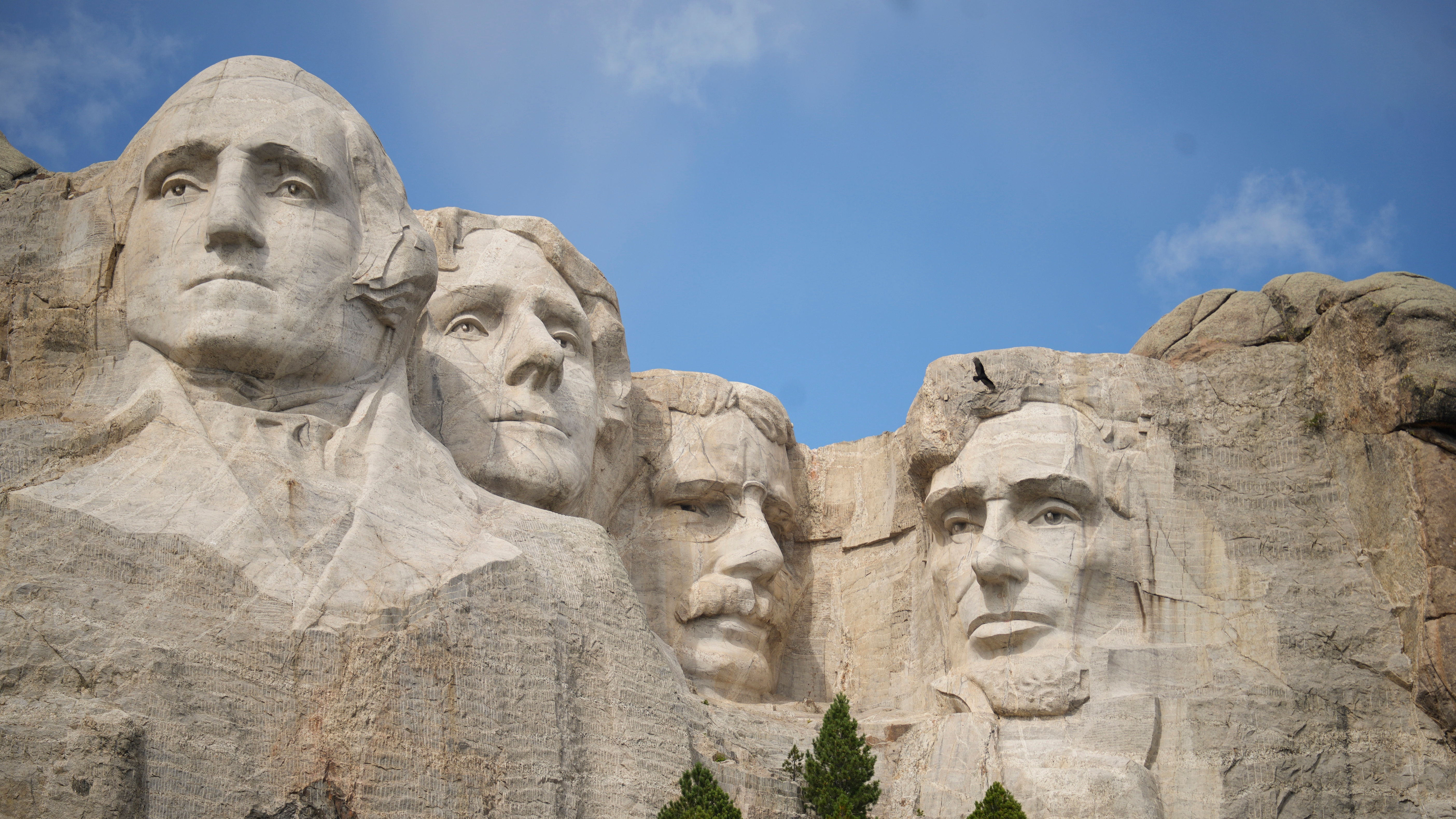
The discussion surrounding the possibility of adding another face to Mount Rushmore has been a topic of heated debate for nearly a century. The memorial, with its colossal carvings of Washington, Jefferson, Lincoln, and Roosevelt, stands as a symbol of American history and vision. Yet, even before its completion in 1941, proposals to introduce an extra face were met with strong resistance. Now, new calls—this time suggesting the addition of President Donald Trump—have revived old ideas, igniting conversation among historians, sculptors, and the general public alike.
At the heart of the debate lie two central issues. First is the matter of the rock itself. The selected granite in the Black Hills is not only a foundation for the sculpture but also a key player in determining its future. Second is the artistic intention behind Mount Rushmore—a testament not to a rotating gallery of popular icons, but to a fixed narrative carefully chosen by its creator, Gutzon Borglum.
Historical Proposals and Rejected Ideas: A Century of Controversy
In the years leading up to the memorial’s completion, various members of Congress probed the boundaries of Borglum’s original plans. Requests to add an additional face were plentiful, but the sculptor’s response was unequivocal. Borglum dismissed proposals that would have seen a fifth president grace the mountain’s facade on multiple occasions, including suggestions from influential figures at the time.
The idea behind Mount Rushmore was always to capture what Borglum saw as a “brief, definite statement of the conception, the founding, growth and the preservation of the union.” His vision, once set in stone using dynamite and jackhammers, was clear: only Washington, Jefferson, Lincoln, and Theodore Roosevelt were to be immortalized in granite. Even when political heavyweights later tried to champion alternative figures, such as Susan B. Anthony or Ronald Reagan, they faced a wall built both by the inherent limitations of the medium and Borglum’s artistic determination.
Presidential Legacies and Artistic Visions
Throughout the decades, proposals for new inclusions have emerged in waves, each reflecting shifts in societal values and political trends. Recently, a congressional lawmaker advocated for adding President Trump to join the array of 60-foot-tall faces, arguing that every president deserves a place among the nation’s giants. However, those who have long championed the memorial assert that such a change is not simply a matter of popularity or political convenience.
Critics argue that enforcing a new face on the monument would betray the original artistic concept. Borglum’s intent was never to create a revolving door of national icons but to produce a sculpture that encapsulated the tumultuous yet triumphant path of the nation’s history, carved in stone. This debate touches on the delicate balance between honoring evolving political legacies and respecting the original narrative encoded in the very rock of the Black Hills.
Structural Concerns: The Rock and Its Limitations
A major stumbling block in any discussion to add to Mount Rushmore is the rock itself. The granite upon which the monument is carved has natural limitations. Experts such as David Barna, who has served as both a spokesperson for the National Park Service and as a geologist for several government agencies, highlight that the rock’s stability is a primary concern. The precarious balance of the existing structure means that introducing another carving could jeopardize the integrity of not only the proposed addition but also the faces that are already in place.
Barna’s argument centers on two points. The first is the “tricky parts” inherent in working with unstable rock. Simply put, the granite in the area does not have the firmness required to support more carving without risking fracture or displacement. The second point he makes is about the artist’s original intention—Mount Rushmore stands as a complete work of art, and altering it would not align with the sculptor’s carefully considered vision.
Assessing the Granite’s Limitations
When looking at the proposed idea of adding another face to Mount Rushmore, it becomes clear that there are several physical challenges to overcome:
- Rock Stability: The existing rock mass has been monitored using modern technology, such as the Rock Block Monitoring System, which has been in place since 1998. This system tracks the minute movements and temperature changes in the rock, ensuring that the monument remains structurally sound.
- Engineering Difficulties: Carving another face would require extensive modifications to the rock’s surface. Given that Borglum himself had to reduce his initial plans to include the presidents’ shoulders due to the rock’s limitations, engineering a new addition becomes a nerve-racking challenge.
- Conservation Risks: Current maintenance efforts focus on preserving the original sculpture. Repair teams, known as “ropes access teams,” are periodically deployed to work on the monument. Any new carving might complicate these preservation efforts and pose unforeseen risks.
These points illustrate that the conversation on adding a face is not merely a matter of honoring a historical figure—it is a technical debate that involves a deep understanding of geology and engineering. Any changes would require not only a redesign of the monument but also a rethinking of conservation strategies that have been honed over decades.
Political Symbolism Versus Artistic Integrity
The idea of including another prominent figure, such as President Trump, on Mount Rushmore is not just a technical debate—it is a political and cultural flashpoint. The symbolism of Mount Rushmore is tied to the specific narrative of American history as envisioned by its creator. Adding another face risks diluting this narrative, transforming what was once a focused statement on the evolution of the nation into a platform for modern political agendas.
Proponents of inclusion argue that the memorial should evolve with the times. They contend that the public has personal heroes they wish to see immortalized on a grand scale, and a change in the face of the monument could reflect the evolving nature of American leadership. However, long-standing advocates for preserving the memorial warn against tampering with a finished work of art that has become a national treasure.
The Clash of Artistic Vision and Political Aspiration
Here are some of the main points raised in this arena:
- Artistic Intent: Borglum saw Mount Rushmore as a permanent statement delineating the foundational moments of the American union. Changing this statement by adding another face would mean revisiting and revising a piece of art whose composition has already been finalized.
- Political Opportunism: The push to include contemporary figures can be viewed as an attempt to leverage historical symbols for modern political gain. Policymakers have previously floated ideas that range from featuring Ronald Reagan to even Elvis Presley—a testament to the ongoing tug-of-war between historical memory and political expediency.
- Public Reception: Altering the monument could unsettle many visitors who see it as a reflection of a time-honored artistic vision. With nearly 2 million visitors each year, any change could significantly impact the visitor experience and the cultural integrity of the site.
These factors underscore the delicate interplay between honoring new figures and safeguarding a carefully constructed historical marker. While the public debate continues, the monument stands as a visual reminder of America’s formative moments, framed by the unyielding hardness of rock and the weight of centuries of history.
Modern Proposals: Shining a Light on New Ideas
In addition to the proposals for a new carved icon, modern initiatives have reimagined interactive ways to engage with Mount Rushmore. Some modern ideas include projecting images onto the mountain or using sophisticated lighting to celebrate advocacy events or historical commemorations. However, these suggestions have largely been met with resistance.
For former Mount Rushmore superintendent Cheryl Schreier, such proposals are more than simply technical adjustments—they are seen as fundamental shifts in how the memorial should be experienced. “We have been requested to project images up onto the memorial in the past, and we’ve always denied that from the aspect of it really is almost an affront to Gutzon Borglum and his son Lincoln Borglum,” says Schreier. She emphasizes that maintaining the monument in its original form is critical to preserving the historical and artistic narrative that has been passed down through generations.
Evaluating Modern Enhancements and Their Challenges
The modern suggestions for “enhancing” Mount Rushmore can be broken down into several categories:
| Enhancement Idea | Proposed Benefit | Key Concerns |
|---|---|---|
| Image Projections | Modern visual storytelling and dynamic presentations | Risk of detracting from the original aesthetic and disrespecting historical integrity |
| Multicolored Lighting | Highlighting advocacy months and special events | Could set a precedent for further modifications, altering the visitor experience |
| Digital Interactive Displays | Providing educational context and real-time historical insights | Requires significant technological infrastructure and constant maintenance |
While each of these ideas has its potential merits in terms of creating a more engaging visitor experience, they also introduce a host of new challenges. Modern proposals often run the risk of overshadowing the monument’s intended message—a concise reflection of America’s union and struggles, cast in stone by a master sculptor.
Learning from Past Campaigns: A Look at Former Proposals
Historical proposals to change Mount Rushmore offer a cautionary tale. Over the decades, several campaigns have sought to add or modify the figures on the monument. For instance, in the 1960s, Senator Kenneth Keating proposed the inclusion of both Dwight Eisenhower and Franklin D. Roosevelt. In later years, efforts to honor Ronald Reagan, both during and after his presidency, gained traction. Even a fleeting idea sparked by a Los Angeles DJ in the 1990s suggested a carved addition of Elvis Presley.
These proposals, while sometimes fueled by genuine admiration for influential figures, consistently ran into the twin barriers of structural feasibility and the need to respect Borglum’s blueprint. The repeated failure to secure legislative momentum for these changes illustrates that the monument’s design is not a fluid canvas but a fixed piece of history.
Lessons from Historical Campaigns
A few key takeaways from this long history of proposals include:
- Respect for the Original Blueprint: Borglum’s instructions have long been seen as the guiding principle in any debate around modifying Mount Rushmore. His vision was clear and remains a benchmark for artistic integrity.
- Structural and Engineering Challenges: Past proposals remind us that even a slight alteration in the existing structure could potentially jeopardize the entire monument.
- Political and Cultural Sensitivities: The monument is more than just a collection of carved faces; it is a cultural symbol loaded with meaning. Attempts to alter it for political gain or current trends risk creating as many rifts as they aim to resolve.
As these lessons show, history is replete with “tangled issues” and “confusing bits” that continue to challenge the idea of amending a national treasure that has long been considered complete and self-contained.
Maintaining Balance: Preservation, Innovation, and Public Engagement
What appears to be at stake in the debate over Mount Rushmore is not simply the addition of another figure. Rather, it becomes a microcosm of broader questions about heritage, preservation, and the balance between innovation and tradition. On one hand, there is the undeniable need to preserve Gettysburg-like historical sites in their purest form; on the other, there is a desire to keep historical narratives relevant to current generations.
Managing these conflicting interests is no small task. National Park Service officials and conservation advocates, like Cheryl Schreier, have consistently worked to ensure that any work on Mount Rushmore upholds the monument’s original promise while taking modern concerns into account. With nearly 2 million visitors each year, keeping the site as Borglum envisioned is not only an act of conservation—it is a commitment to preserving a piece of the nation’s identity.
Strategies for Balancing Preservation and Innovation
To navigate these tricky parts, several strategies have been proposed and implemented over time:
- Regular Maintenance and Monitoring: The installation of the Rock Block Monitoring System in 1998 has been critical in keeping a close watch on the monument’s structural health. This technology allows experts to dig into the little details of rock movement and adjust preservation efforts before minor issues become overwhelming.
- Clear Communication with the Public: Whether it’s changes to visitor access during maintenance work or updates on preservation techniques, transparency has proven to be key. Clear notices ensure that visitors are aware of when workers might be present and that any visible changes are part of a broader, well-managed process.
- Educational Initiatives: Engaging the public through exhibitions, lectures, and digital storytelling helps to keep the monument’s legacy alive. These initiatives not only honor Borglum’s original design but also offer a platform for discussing current debates and future challenges.
Combining these strategies can help ensure that Mount Rushmore remains a symbol of America’s enduring history—one that respects its past while cautiously considering its future.
The Cultural Impact: Beyond Politics and Stone
For many visitors, Mount Rushmore transcends its physical form. It represents an ideal—a snapshot of the country’s narrative, etched into the very rock that has witnessed the passage of time. Any proposals to modify it, whether by adding new representations of power or by altering its appearance with modern technology, are bound to provoke strong emotional responses.
This reaction is understandable. Mount Rushmore is not merely a tourist attraction; it embodies a certain cultural pride and historical memory that are deeply rooted in the American psyche. For some Native American tribes, however, the monument is a symbol of lost lands and historical grievances. The Lakota Sioux, for instance, refer to the carving site as Tȟuŋkášila Šákpe—or “Six Grandfathers”—and believe that the land was taken under dubious circumstances. The Supreme Court’s acknowledgment in 1980 that the land was illegally seized only adds another layer of tension to the debate.
Understanding the Broader Cultural Repercussions
When discussing potential modifications to a landmark as charged as Mount Rushmore, it is crucial to consider a broad range of cultural implications:
- Symbolic Value: The monument’s images carry deep national symbolism. Changing these images alters the way many people perceive American history.
- Cultural Sensitivity: For Native American communities, Mount Rushmore represents a painful history of displacement and loss. Any modifications must take into account these deeply rooted sentiments.
- Historical Continuity: The decision to maintain the monument as Borglum originally envisioned helps create a consistent historical narrative that can be both taught and appreciated by future generations.
Thus, while political and artistic debates continue to swirl around the possibility of adding new elements to Mount Rushmore, the monument itself remains a living piece of history—one that demands respect for the cultural layers it represents.
Looking Ahead: Finding a Path Through the Debate
As the discussion unfolds, a common thread emerges: the need to figure a path that honors the intricate mosaic of past achievements while cautiously accommodating new ideas. There can be no doubt that America’s landscape is full of symbols that evolve as society changes. Yet, not every symbol is meant to be reshaped, and Mount Rushmore stands as a prime example of a historical artifact that resists reinvention.
The ongoing debate over whether to add another face to this iconic monument is more than a matter of poll numbers or political rhetoric—it is about respecting the physical and metaphorical rock that anchors it. Whether one sees the proposal to include President Trump as an attempt to extend the legacy of leadership or as a misstep that undermines a carefully crafted masterpiece, it forces us to take a closer look at how we commemorate our history.
Key Considerations for the Future
In charting a future course for Mount Rushmore, several key considerations should remain at the forefront:
- Structural Integrity: Any attempt to modify the monument must first address the technical challenges posed by the granite and the overall stability of the carving.
- Artistic Purity: Borglum’s original vision should serve as a guiding light—a reminder that the monument is a work of art as much as it is a historical marker.
- Cultural Sensitivity: Engaging with communities, particularly Native American groups, can help ensure that any future decisions are made with a full understanding of the monument’s historical burdens.
- Public Engagement: The voices of the nearly 2 million visitors who flock to Mount Rushmore annually need to be taken into account. Their experience of the monument is a vital part of its ongoing legacy.
The conversation about renewing Mount Rushmore touches on many “little twists” of history, technology, art, and politics. While some modern proposals seem appealing in their promise of a refreshed public image, they risk unsettling the established balance that has allowed the monument—and what it stands for—to endure for generations.
Concluding Thoughts: A Monument in Stone and Spirit
In the end, Mount Rushmore remains a potent symbol of American heritage—one that was born out of a unique historical moment and a singular artistic vision. The rock faces carved into its cliffside reflect the determination to capture a nation’s story in stone. While new voices may call for changes that mirror the evolving landscape of our society, the very act of proposing such changes reveals the strong emotional connection people have with the monument.
As debates continue, it is essential for both decision-makers and the public to remember that Mount Rushmore is not simply a static relic of the past. It is a living narrative that encapsulates America’s journey—a journey marked by “tangled issues” and “complicated pieces” that defy easy solutions. Whether one views proposals to add another face as a natural evolution of historical commemoration or as a risky departure from established tradition, the discussion itself enriches our understanding of what monuments mean to us as a society.
Preserving Mount Rushmore in its original form does not mean turning a blind eye to modern perspectives. Instead, it involves a respectful dialogue about how best to honor both the timeless accomplishments represented by the monument and the dynamic stories of our time. In many ways, the debate over potential modifications is a testament to the monument’s lasting appeal and the ongoing challenge of balancing preservation with progress.
Final Reflections
Mount Rushmore’s enduring appeal rests on its ability to evoke deep feelings of pride, reflection, and occasionally, controversy. Whether you stand with those advocating for strict adherence to Borglum’s vision or favor a reinterpretation that aligns with current political climates, the discussion underscores a broader truth about monuments: they are as much about the present as they are about the past.
As we move forward, the conversation around potential changes to Mount Rushmore will likely continue to attract passionate opinions. The challenge for all stakeholders is to work through the “tangled issues” and “confusing bits” with sensitivity and respect, so that any effort to reimagine this National Treasure is made with an awareness of its profound cultural and historical resonance.
Ultimately, the story of Mount Rushmore is not merely one of carved granite and historical figures—it is a story about how a nation remembers, honors, and sometimes debates its own identity. That is a conversation that, regardless of its outcome, will always be a key part of what makes our history so compelling.
In a world where monuments often become battlegrounds of competing narratives, finding a path that honors both tradition and evolution is no easy task. Yet, it is this very challenge that underscores the importance of thoughtful, respectful dialogue—one that can keep our national symbols grounded in their rich past while allowing them to speak meaningfully to the future.
Originally Post From https://protectnps.org/2025/07/07/calls-to-add-trump-to-mount-rushmore-revive-a-century-of-rejected-proposals-and-artists-firm-no/
Read more about this topic at
Face Gallery empty / no Watch Faces shown
Gallery app no longer recognizes faces. : r/GalaxyS24Ultra
